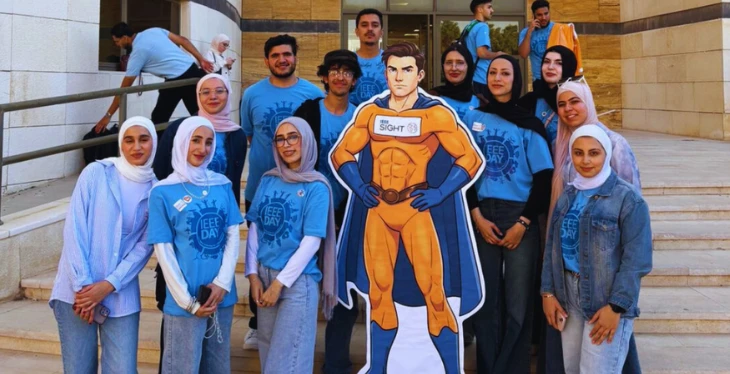
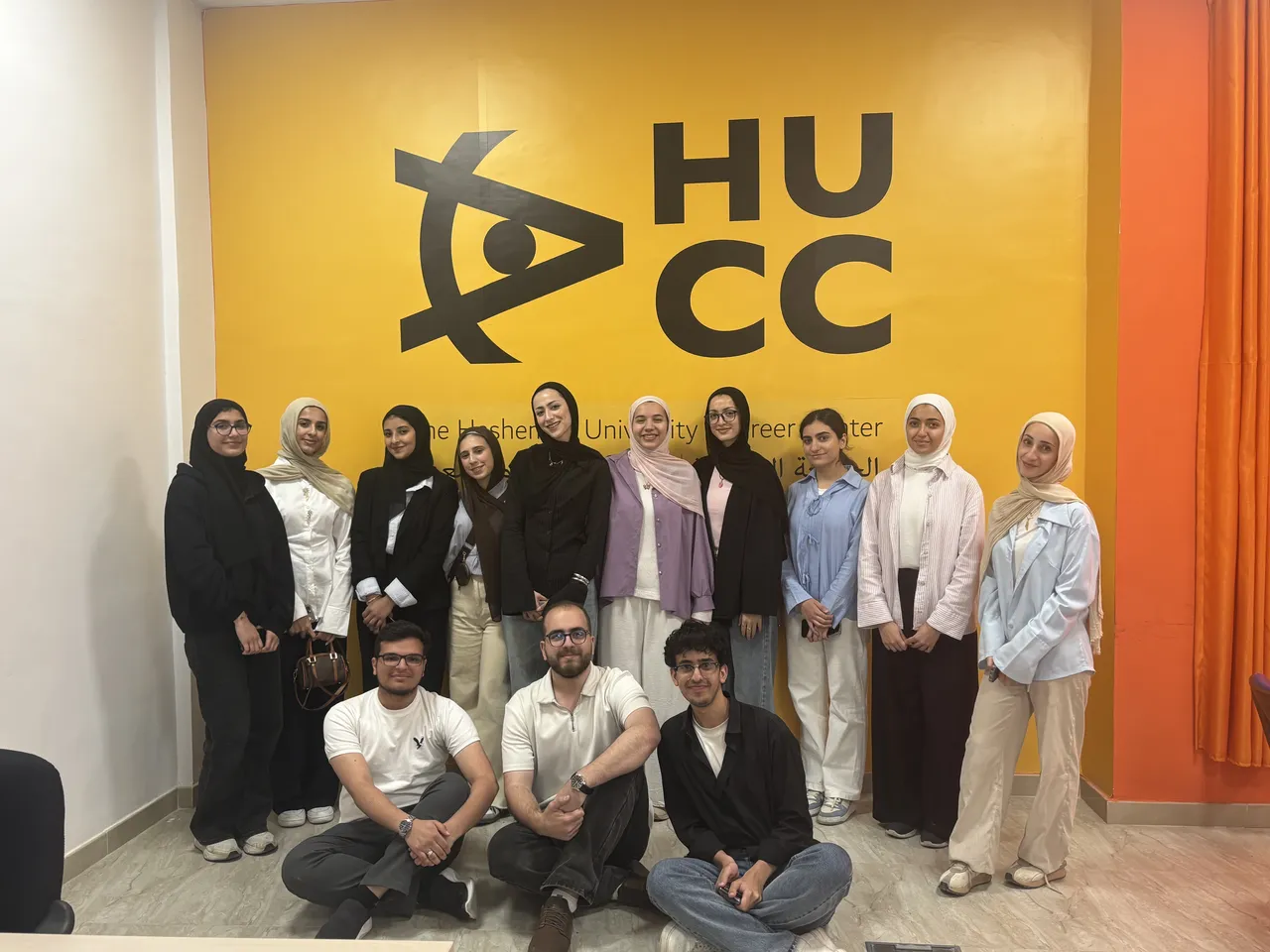
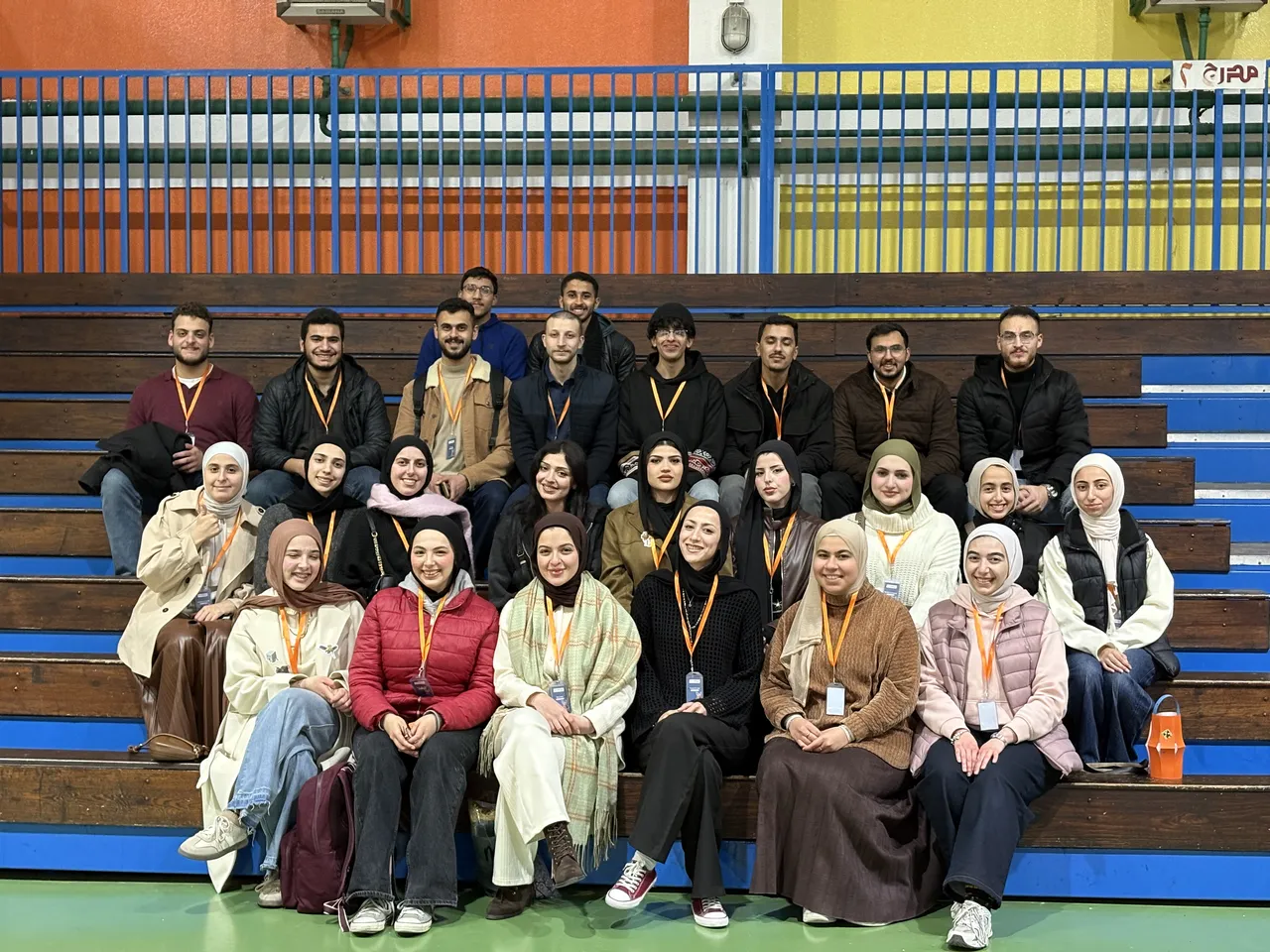
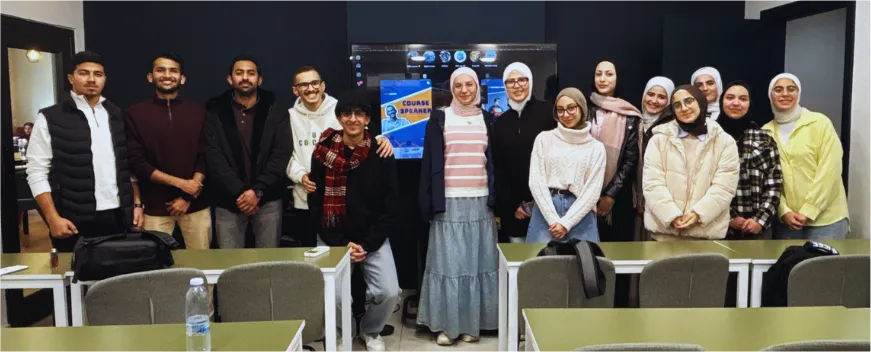
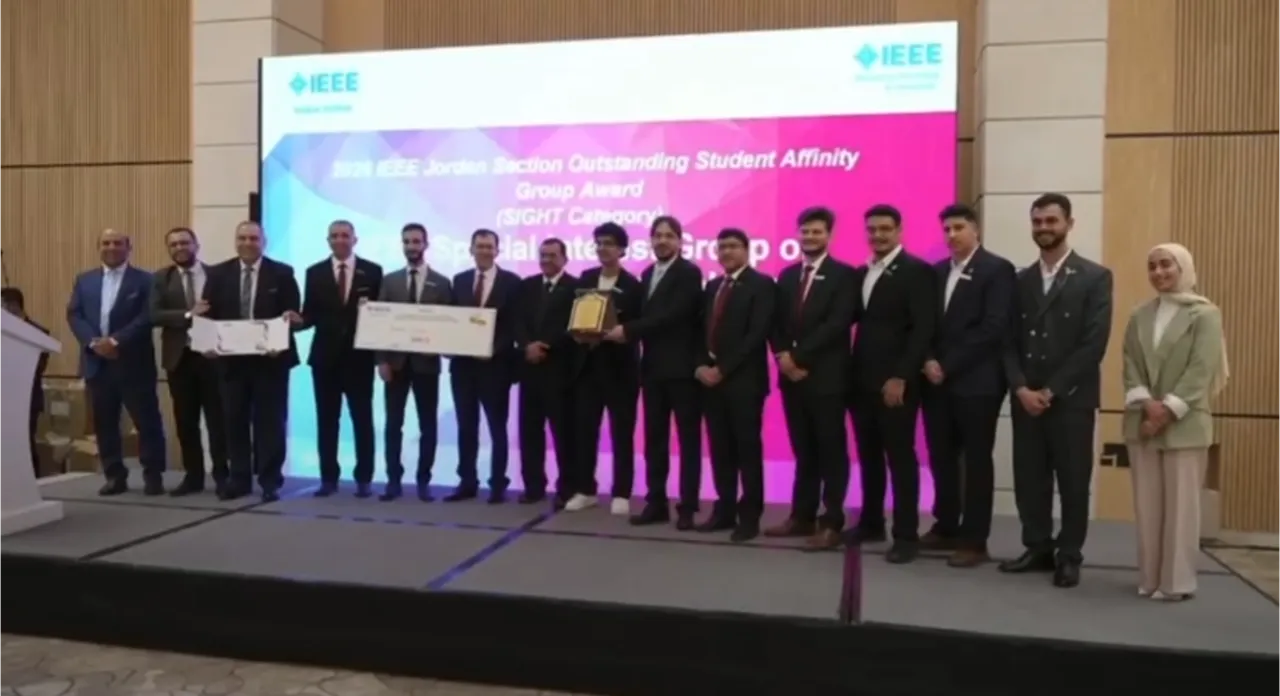
Welcome to IEEE SIGHT at The Hashemite University! We are a community of young innovators who use technology to make a positive impact. Here, students work together to solve real problems and create solutions that help our communities.
Join us as we explore how technology can improve lives and make a difference!
Discover the people, ideas, and moments behind our chapter's work.
 Career Development Session
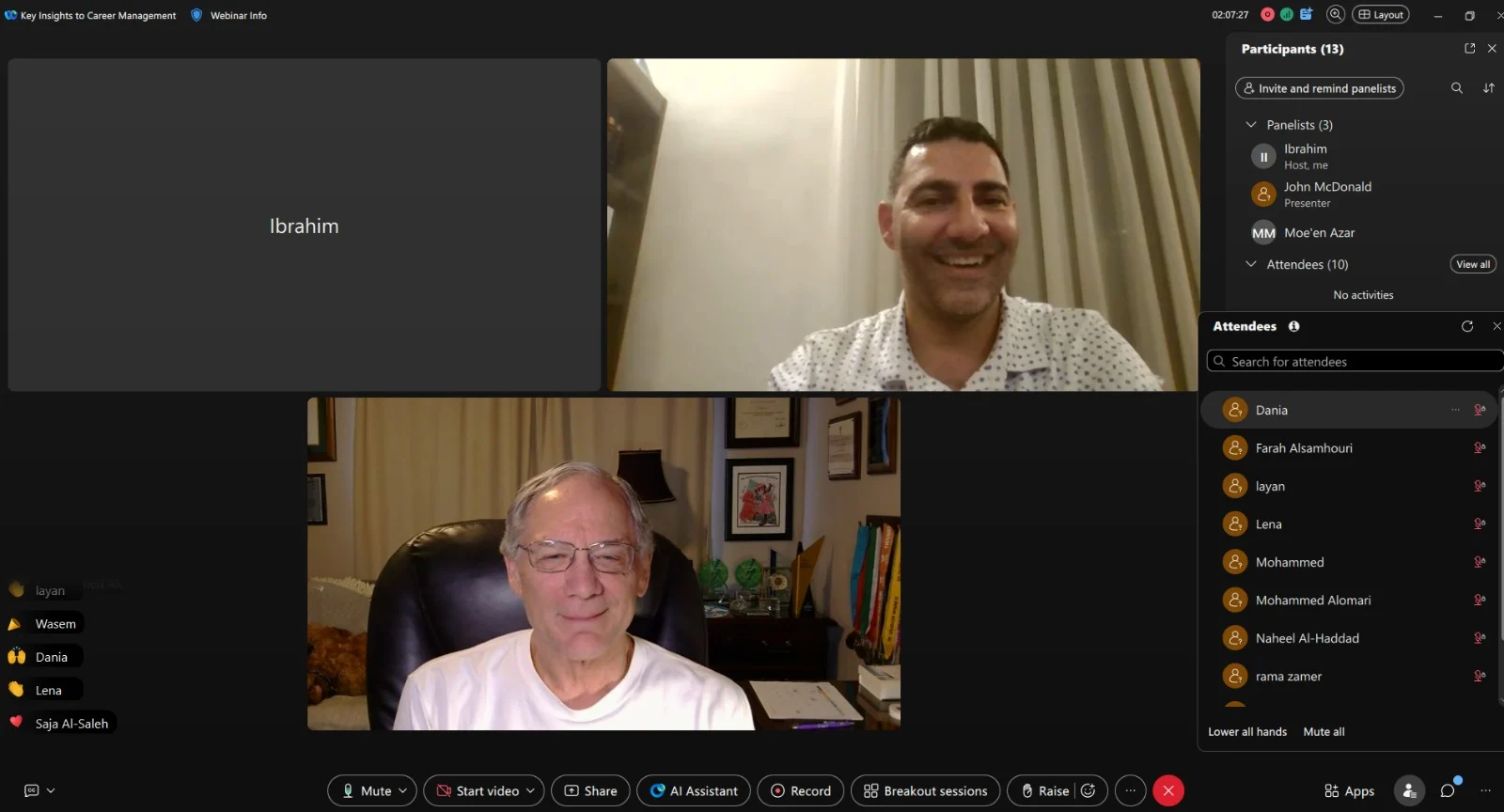
IEEE SIGHT HU and the IEEE SIGHT Jordan Section hosted an online career-management session led by John D. McDonald, P.E., an IEEE Life Fellow and experienced engineering leader.
Read activity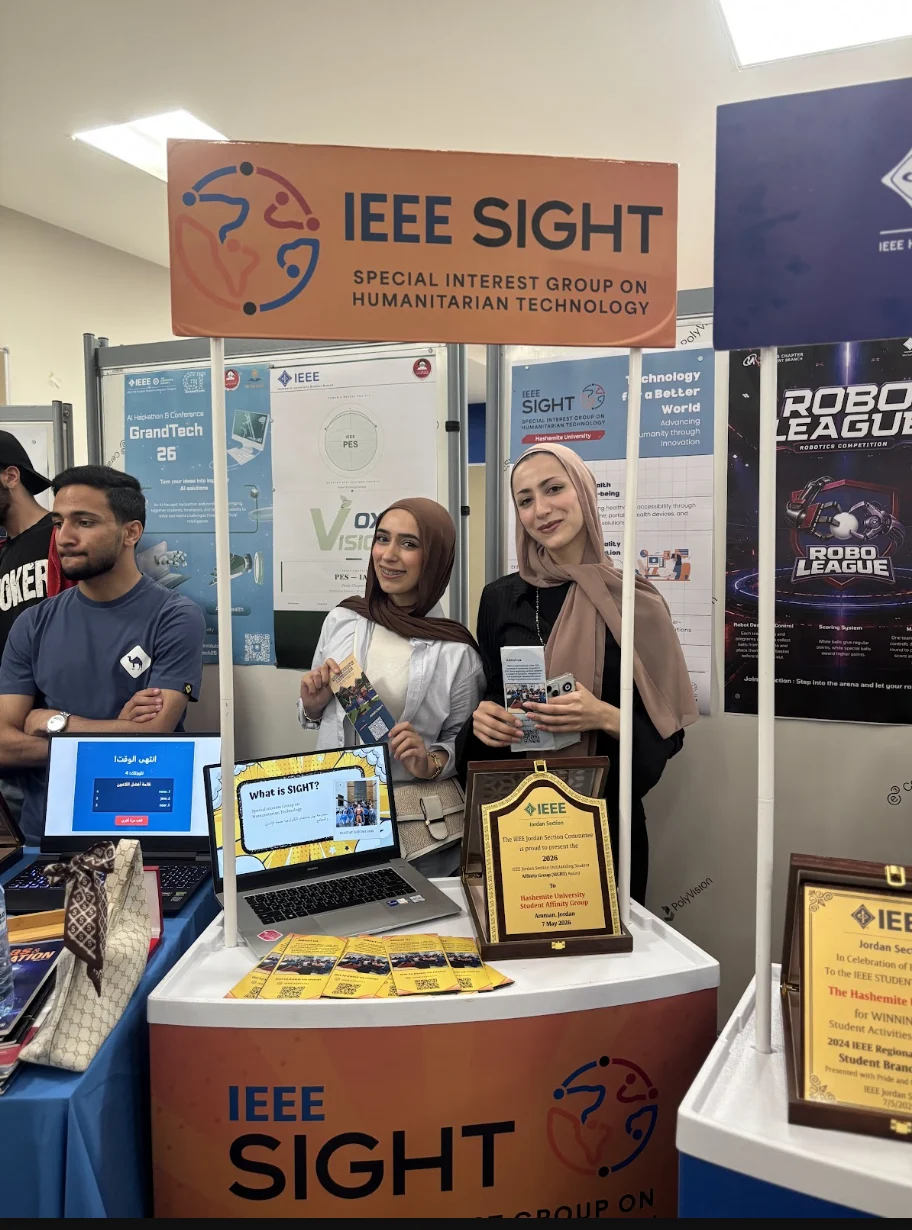 Scientific Day Participation
IEEE SIGHT joined the Engineering Scientific Day to showcase its projects, exchange ideas with IEEE societies, and introduce students and faculty members to the team’s work.
Read activity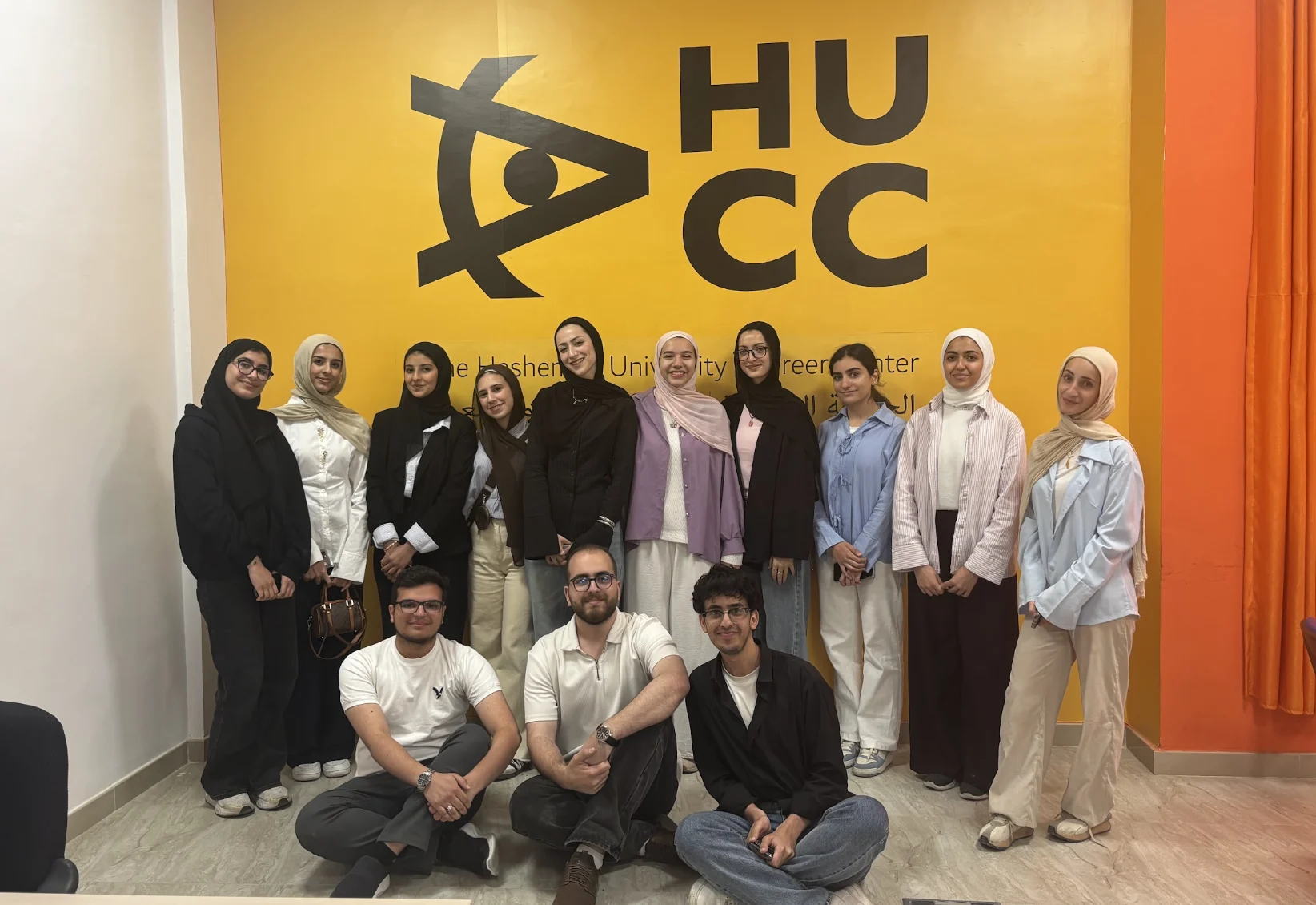 Design Workshop
IEEE SIGHT delivered a two-day workshop that helped students explore Arabic visual identity, typography, design case studies, and practical identity creation.
Read activity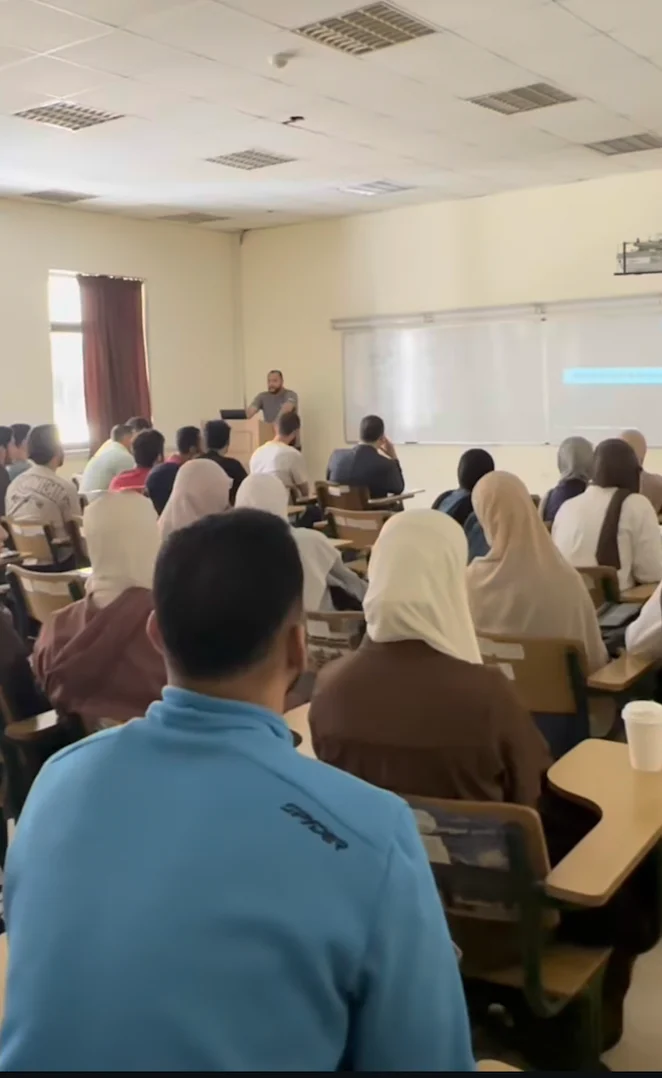 Cybersecurity Workshop
IEEE SIGHT brought 80 students together for a focused cybersecurity workshop covering career paths, defensive and offensive security, information security, and professional certification.
Read activity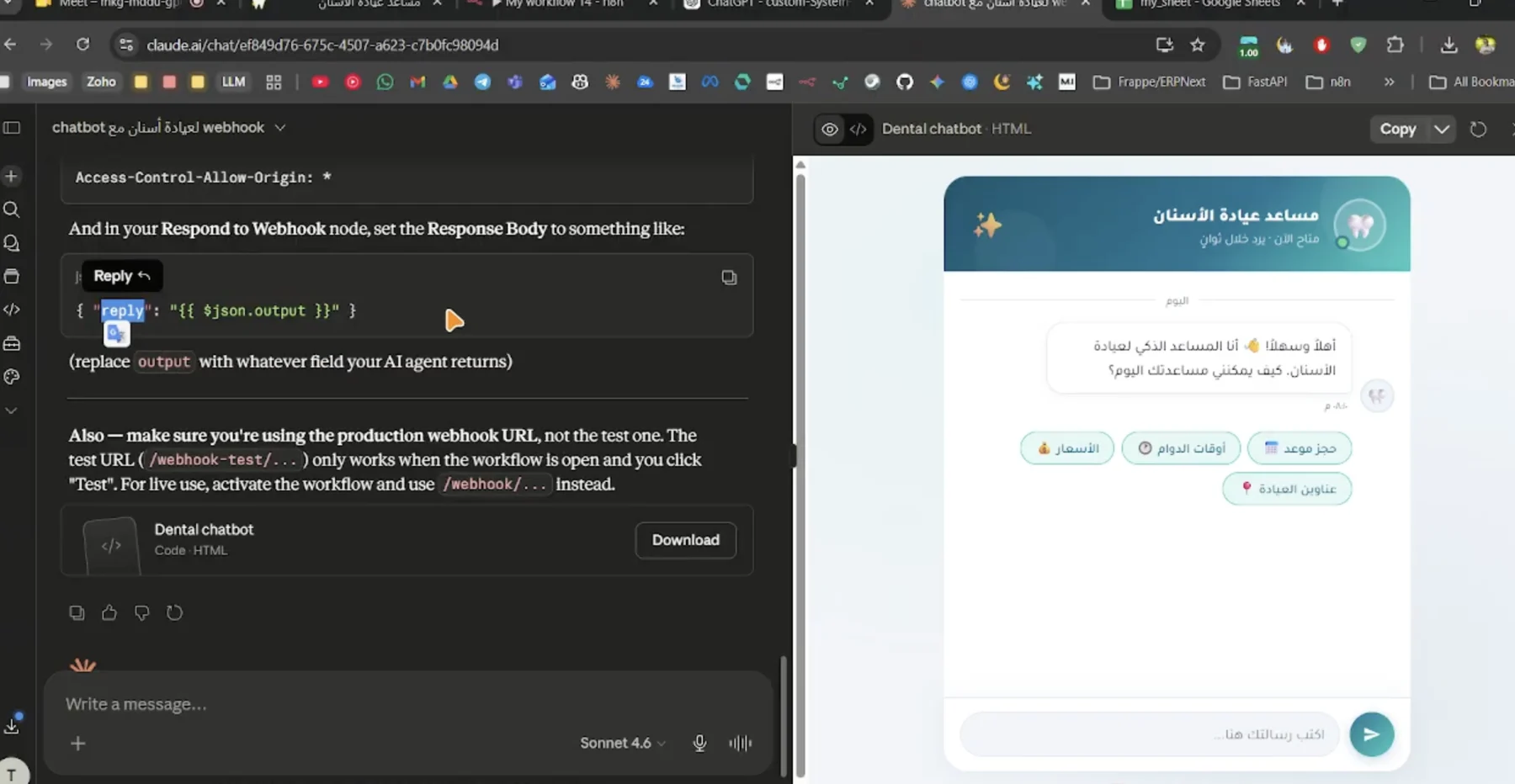 Training Program
IEEE SIGHT HU delivered a 12-session N8N course that welcomed 1,000 registered students and graduated 300 learners through practical automation and AI workflow training.
Read activityLong-term initiatives we design, run, and grow year after year.
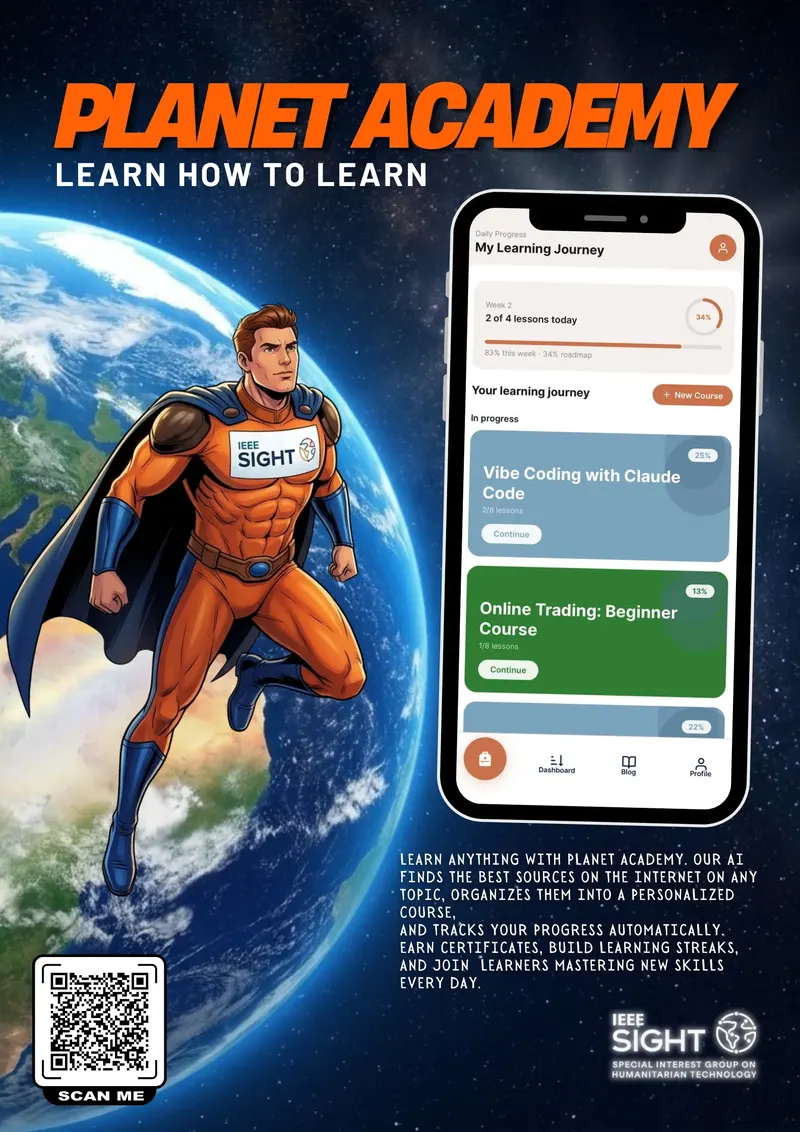
A free, AI-powered website that helps students learn by turning free online videos and articles into a step-by-step study plan.
Read the project →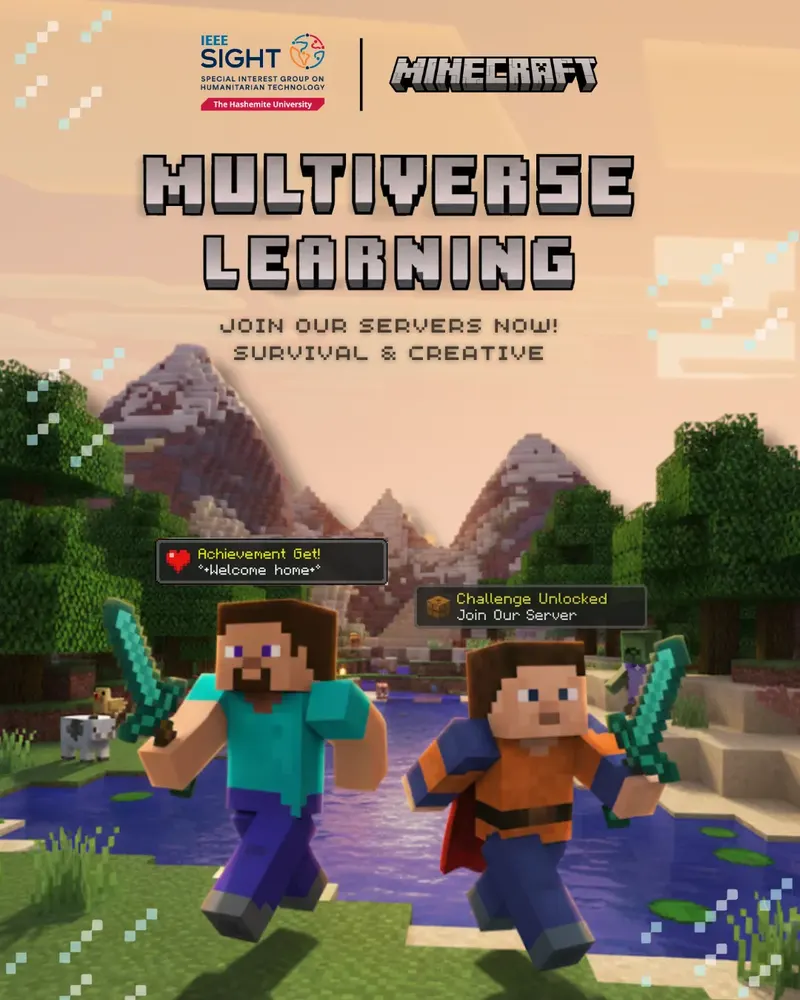
A fun project that teaches engineering and computer coding using Minecraft.
Read the project →Hear how students found practical experience, stronger leadership skills, and a community they wanted to keep building with.
Working on Planet Academy showed me how a student idea can become a real platform that helps people find a clearer path to learning.
Think in Blocks made digital logic feel practical and fun. Building circuits inside Minecraft helped me understand concepts I had only seen in class.
The n8n training took us beyond theory. By the end, we were connecting APIs, AI tools, and real automation workflows we could continue developing.
Helping with the technical summer camp taught me how to explain robotics and electronics in a way that made children curious and excited to build.
The cybersecurity workshop gave me practical habits I could use immediately, from recognizing common threats to thinking more carefully about how I protect my accounts.
The Arabic visual identity workshop showed me that good design is not only about appearance; typography, language, and culture all shape how people understand a message.
During the Ramadan Iftar activity, I saw how a simple electronics exercise could create a joyful learning moment and bring volunteers closer to the community.
Taking part in Engineering Scientific Day helped me practice presenting technical ideas clearly and listening to questions from people with different backgrounds.
The monthly team meetings made it easier to share ideas, divide responsibilities, and understand how every small task contributes to a successful activity.
Joining the online n8n course connected me with learners beyond campus and showed me how automation can solve repetitive problems in many different fields.
Volunteering during IEEE Day gave me the confidence to welcome new students, explain our work, and represent SIGHT as part of the wider IEEE community.
The career management session helped me think beyond my first job and focus on continuous learning, mentorship, professional relationships, and long-term growth.
Working through a health-technology challenge taught me to define the real problem before jumping to a solution and to value perspectives from both engineering and health fields.
Watching children interact with robots during the summer camp reminded me why accessible STEM education matters: curiosity grows when learners can touch, test, and ask questions.
Contributing to Planet Academy improved more than my technical skills. I learned to discuss user needs, organize feedback, and work with a team toward one shared product.
Using Redstone in Think in Blocks turned abstract ideas such as logic gates into something I could build, test, break, and improve for myself.
The Members Club activities gave us space to know one another outside formal sessions, which made collaboration during later projects feel much more natural.
SIGHT activities bring students from different majors into the same conversation. That mix of perspectives often leads to better questions and more thoughtful solutions.
Helping document an activity taught me how important it is to preserve what the team learned so future members can build on the work instead of starting from zero.
What I value most about SIGHT is the connection between technology and purpose. We are encouraged to ask who a solution helps, not only whether we can build it.
Working on Planet Academy showed me how a student idea can become a real platform that helps people find a clearer path to learning.
Think in Blocks made digital logic feel practical and fun. Building circuits inside Minecraft helped me understand concepts I had only seen in class.
The n8n training took us beyond theory. By the end, we were connecting APIs, AI tools, and real automation workflows we could continue developing.
Helping with the technical summer camp taught me how to explain robotics and electronics in a way that made children curious and excited to build.
The cybersecurity workshop gave me practical habits I could use immediately, from recognizing common threats to thinking more carefully about how I protect my accounts.
The Arabic visual identity workshop showed me that good design is not only about appearance; typography, language, and culture all shape how people understand a message.
During the Ramadan Iftar activity, I saw how a simple electronics exercise could create a joyful learning moment and bring volunteers closer to the community.
Taking part in Engineering Scientific Day helped me practice presenting technical ideas clearly and listening to questions from people with different backgrounds.
The monthly team meetings made it easier to share ideas, divide responsibilities, and understand how every small task contributes to a successful activity.
Joining the online n8n course connected me with learners beyond campus and showed me how automation can solve repetitive problems in many different fields.
Volunteering during IEEE Day gave me the confidence to welcome new students, explain our work, and represent SIGHT as part of the wider IEEE community.
The career management session helped me think beyond my first job and focus on continuous learning, mentorship, professional relationships, and long-term growth.
Working through a health-technology challenge taught me to define the real problem before jumping to a solution and to value perspectives from both engineering and health fields.
Watching children interact with robots during the summer camp reminded me why accessible STEM education matters: curiosity grows when learners can touch, test, and ask questions.
Contributing to Planet Academy improved more than my technical skills. I learned to discuss user needs, organize feedback, and work with a team toward one shared product.
Using Redstone in Think in Blocks turned abstract ideas such as logic gates into something I could build, test, break, and improve for myself.
The Members Club activities gave us space to know one another outside formal sessions, which made collaboration during later projects feel much more natural.
SIGHT activities bring students from different majors into the same conversation. That mix of perspectives often leads to better questions and more thoughtful solutions.
Helping document an activity taught me how important it is to preserve what the team learned so future members can build on the work instead of starting from zero.
What I value most about SIGHT is the connection between technology and purpose. We are encouraged to ask who a solution helps, not only whether we can build it.
Working on Planet Academy showed me how a student idea can become a real platform that helps people find a clearer path to learning.
Think in Blocks made digital logic feel practical and fun. Building circuits inside Minecraft helped me understand concepts I had only seen in class.
The n8n training took us beyond theory. By the end, we were connecting APIs, AI tools, and real automation workflows we could continue developing.
Helping with the technical summer camp taught me how to explain robotics and electronics in a way that made children curious and excited to build.
The cybersecurity workshop gave me practical habits I could use immediately, from recognizing common threats to thinking more carefully about how I protect my accounts.
The Arabic visual identity workshop showed me that good design is not only about appearance; typography, language, and culture all shape how people understand a message.
During the Ramadan Iftar activity, I saw how a simple electronics exercise could create a joyful learning moment and bring volunteers closer to the community.
Taking part in Engineering Scientific Day helped me practice presenting technical ideas clearly and listening to questions from people with different backgrounds.
The monthly team meetings made it easier to share ideas, divide responsibilities, and understand how every small task contributes to a successful activity.
Joining the online n8n course connected me with learners beyond campus and showed me how automation can solve repetitive problems in many different fields.
Volunteering during IEEE Day gave me the confidence to welcome new students, explain our work, and represent SIGHT as part of the wider IEEE community.
The career management session helped me think beyond my first job and focus on continuous learning, mentorship, professional relationships, and long-term growth.
Working through a health-technology challenge taught me to define the real problem before jumping to a solution and to value perspectives from both engineering and health fields.
Watching children interact with robots during the summer camp reminded me why accessible STEM education matters: curiosity grows when learners can touch, test, and ask questions.
Contributing to Planet Academy improved more than my technical skills. I learned to discuss user needs, organize feedback, and work with a team toward one shared product.
Using Redstone in Think in Blocks turned abstract ideas such as logic gates into something I could build, test, break, and improve for myself.
The Members Club activities gave us space to know one another outside formal sessions, which made collaboration during later projects feel much more natural.
SIGHT activities bring students from different majors into the same conversation. That mix of perspectives often leads to better questions and more thoughtful solutions.
Helping document an activity taught me how important it is to preserve what the team learned so future members can build on the work instead of starting from zero.
What I value most about SIGHT is the connection between technology and purpose. We are encouraged to ask who a solution helps, not only whether we can build it.
Working on Planet Academy showed me how a student idea can become a real platform that helps people find a clearer path to learning.
Think in Blocks made digital logic feel practical and fun. Building circuits inside Minecraft helped me understand concepts I had only seen in class.
Workshops, chapter activities, and highlights from our channel. Subscribe to catch every upload.
Add your first featured video here once it's uploaded to the channel.
Add your first featured video here once it's uploaded to the channel.
We collaborate with organizations that share our commitment to learning, innovation, and community impact.



Sign up today and get involved in the chapter through workshops, activities, and a community of builders.